Tall Grass, Tough Calls: How Nebraska Towns Sort a Nuisance From a Neighborly Nudge
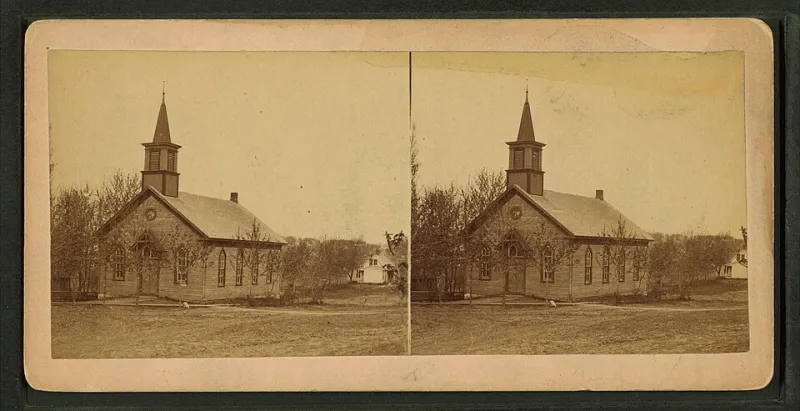
Photo: Currier, Frank F. -- Photographer, Public domain, via Wikimedia Commons
On a windy November afternoon, a letter can feel louder than a lawnmower. Maybe it is about grass that got away from somebody during a busy summer. Maybe it is about a truck on blocks, a shed leaning toward the alley, or a pile of pallets that has become a neighborhood landmark. In Nebraska towns, these are not just yard complaints. They are small civic decisions about what a community will tolerate, what it will enforce, and who has to answer for it.
The short version: nuisance rules are local rules. A city or village code may set a grass height, define a junk vehicle, or describe an unsafe structure. A county may have its own zoning and nuisance regulations outside town limits. The details vary enough that the same tall grass can be a shrug in one place and a notice in another. That is not necessarily inconsistency for its own sake. It is the way local government works when the governing body is also the group of people you see at the grocery store.
The Letter Is Not the Law—Yet
A nuisance complaint usually starts with a phone call, an email, or a form at the city office. Some towns have an online complaint link. Others still rely on a clipboard and a human voice. The person on the other end does not automatically write a ticket. In many places, the first step is a screening: Is this addressed by the local code? Is it on public or private property? Is it a safety issue, or mainly an eyesore?
That screening is where discretion lives. A code enforcement officer or city administrator may look at the property, take photos, and check the ordinance. They may send a courtesy letter before a formal notice. They may decide the complaint is really a private boundary dispute, which is often a civil matter rather than a city matter. They may also find a genuine hazard—a roof caving in, a pool of stagnant water, a structure that could hurt someone—and move faster.
This is also where neighborliness bumps into enforcement. Nebraska towns are not staffed by robots. The person deciding whether to send a letter may know the property owner, the complainant, or both. Good local government tries to keep that human context from becoming favoritism. The best practice is simple: apply the code consistently, document the decision, and explain the next step to everyone involved.
What Counts as a Nuisance?
Most local nuisance codes cover a familiar list. Weedy lots. Accumulated trash or debris. Inoperable vehicles parked in view. Unsafe or dilapidated buildings. Sometimes noise, odors, or drainage issues. The code may use specific thresholds—grass over a certain height, for example—or broader language about conditions that affect public health, safety, or welfare.
A leaning shed is a good example of how the categories blur. If it is merely ugly, an inspector may have little to say. If it is structurally unsafe, it may fall under dangerous-building rules with a separate process. A junked car may be a zoning issue in one town and a public nuisance in another. A tall lawn may be a code violation in town and a nonissue in the county. That is why the first useful question is not “Is this annoying?” but “Which local rule, if any, applies?”
There is also a difference between a private nuisance and a public one. A private nuisance is often a dispute between neighbors—tree limbs, drainage, noise—that may end up in civil court. A public nuisance is a condition the local government can address because it affects the community. The line is not always bright, and local officials often spend more time explaining that line than enforcing it.
The Usual Path From Complaint to Resolution
Once a complaint moves forward, the process is usually designed to get voluntary compliance first. A notice typically identifies the problem, cites the code, and gives a deadline. Sometimes it offers a hearing. Sometimes it includes a list of resources or a phone number to ask questions. The goal, at least on paper, is correction—not punishment.
If the deadline passes, the town may re-inspect. Some municipalities issue a citation with a fine. Others arrange abatement, meaning the city or a contractor cleans up the property and then assesses the cost against the owner, often through a lien or special assessment. That step can be expensive and slow, so many towns use it sparingly. A hearing before the city council, a board of adjustment, or a designated hearing officer may come before or after enforcement, depending on local rules.
For the person who received the letter, the practical moves are straightforward. Read the notice closely. Note the code section and the deadline. Call the office and ask what specifically needs to change. Ask whether an extension is possible and what documentation is needed. Put your response in writing, even if it is just an email confirming a conversation. If you disagree, ask about the appeal process before the deadline, not after. And if the issue is really about a neighbor, consider whether a conversation—or mediation—could resolve it faster than a hearing.
For the person thinking about filing a complaint, the same neighborly rule applies in reverse. Ask yourself whether you have talked with the neighbor first. If the issue is safety, call the city. If it is mainly frustration, a direct conversation may save everyone a file. If you do complain, be specific and factual. “The grass is over the limit and blocking the sidewalk” is more useful than “They never take care of anything.” You can ask the city what the process will be and whether your name will be part of the public record. In many cases, complainants are not kept anonymous, and that is worth knowing before the first call.
Where Discretion Meets the Neighborhood
No ordinance can write down every situation. That is why local officials need room to judge urgency, history, and context. A elderly homeowner who needs help clearing a yard is not the same as a landlord who ignores repeated notices. A one-time pile of branches after a storm is not the same as a years-long salvage operation. Good enforcement looks at the pattern, not just the photo.
The risk is that discretion can feel like favoritism to the person on the other side of the fence. The remedy is transparency: clear notices, consistent timelines, public meetings, and a willingness to explain the decision. Nebraska towns are small enough that people remember how they were treated. A fair process can still sting, but it does not have to poison the block.
So if a letter about the lawn shows up, treat it as an invitation to a civic process, not a declaration of war. Read it, call, ask questions, and meet the deadline. If you are the one bothered by the lawn, try the neighborly route first. The goal is not a perfectly manicured town. It is a place where people can live together without letting the small stuff become the whole story.