The Green Beans and the Board Seat: Your Nebraska Electric Co-op Meeting, Explained
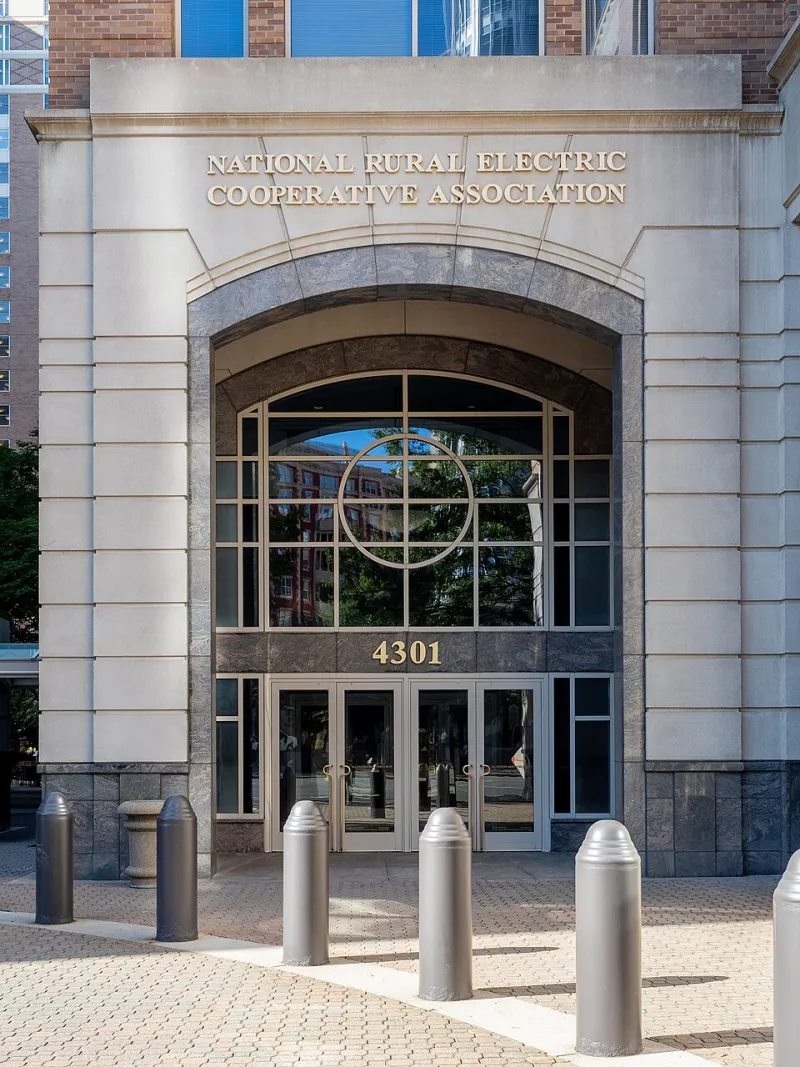
Photo: ajay_suresh, CC BY 2.0, via Wikimedia Commons
The notice usually shows up the way most important local things do: folded into a bill, tucked in the mailbox, or announced on a co-op newsletter that somebody meant to read and then set by the coffee maker. The rural electric cooperative annual meeting is easy to overlook. It sounds like paperwork. It smells like a church basement. And it is, in fact, one of the more useful civic gatherings a Nebraska neighbor can attend.
Co-ops are not like the electric utility you might have had in a bigger city. They are member-owned. That means the people who buy the power also own the outfit. It also means the annual meeting is not a ceremonial nod before lunch. It is where board seats get decided, where members hear about the money, and where questions about rates, broadband, and reliability get asked out loud by the people who pay the bills.
It’s a Business Meeting With a Covered Dish
The potluck is real. So is the quorum. Nebraska co-op annual meetings often mix a meal, a treasurer’s report, director elections, and a little visiting in the parking lot afterward. That combination can make the meeting feel less formal than a city council session, but the decisions are not small. Directors set direction. Members elect directors. Rates and service policies flow from there.
If you have ever wondered why the co-op is spending money on a broadband subsidiary, or why the capital credits check has not arrived, or why the tree crew came through your road first, the annual meeting is a reasonable place to start. Not because you will get every answer on the spot, but because you will be in the same room as the people who are supposed to have them.
One Member, One Vote Is Not a Slogan
This is the part worth slowing down for. A rural electric co-op generally runs on one member, one vote. It does not matter whether you have one meter at a cabin or a shop, a house, and a well. The membership is the unit. That is different from a shareholder meeting where votes stack up with shares.
It is also a quiet form of local democracy. You are not choosing a president. You are choosing neighbors who will sit on a board and make decisions about debt, rates, and long-term infrastructure. Those decisions can outlast a lot of louder political fights. The board may vote on a rate adjustment that shows up in every kitchen in the service territory. It may decide how aggressively to pursue federal broadband money. It may set the schedule for retiring capital credits, which is a fancy way of saying returning margins to members.
That is why the annual meeting packet matters more than the door prize.
Read the Annual Report Like a Neighbor
You do not need to be an accountant to read a co-op annual report. You need about twenty minutes and a willingness to look for patterns. Start with the letter from the board president and general manager. What are they bragging about? What are they explaining away? Then look at the financial pages. You are not hunting for a scandal. You are looking for the story behind the numbers.
Ask yourself a few plain questions. Are margins up or down? Is the co-op carrying more debt than last year? What is the equity position? What does the report say about capital credits, and is there a schedule for retiring them? What is happening with rates, and what reason is given? If the co-op has a broadband arm, what does the report say about buildout, take rates, and losses or profits? If storm costs are mentioned, how were they covered?
Those are neighbor questions, not gotcha questions. They are the same things you would ask if a family member handed you a budget and said the monthly payment was changing.
Four Questions That Tend to Get Real Answers
Most co-op meetings have a question-and-answer period. It helps to write your question down before you stand up. A specific, polite question tends to get a more specific answer than a speech disguised as a question.
Here are four that tend to work. First: What is driving the rate change, and how much of it is fuel, infrastructure, or broadband? Second: What is the current plan and timeline for retiring capital credits? Third: What are the next milestones for broadband or fiber buildout, and what happens if the funding assumptions change? Fourth: How can members see board meeting minutes, policies, and director election details without filing a public records request?
You can also ask about vegetation management, outage response times, or the co-op’s long-range infrastructure plan. The main thing is to ask as an owner. You are not there to heckle the board. You are there to act like a member of the outfit.
How to Show Up Without Making It Weird
Check the notice for the basics: date, time, location, registration rules, and whether you need to bring a member card, account number, or ID. Arrive a little early. Grab the packet. Sit where you can hear. If there is a meal, get in line and talk to the person next to you. That is half the point.
When the business session starts, pay attention to the election. Read the candidate bios. Listen to how the nominees talk about the co-op. Vote. If you have a question, use the microphone if there is one, give your name and co-op district if asked, and keep it under a minute.
And if your co-op’s annual meeting has already passed for this year, the packet and minutes are still worth a look before the next one. The green beans are optional. The board seat is not.
The Quiet Part
Nebraska has plenty of loud politics. The co-op annual meeting is not that. It is a folding-table affair with a budget, a ballot, and a line for fried chicken. But it is also where neighbors decide who watches the money and how the lights stay on. That is local democracy with a serving spoon. It deserves a little of your time.