Culverts, Gravel, and the Five Neighbors Who Decide: A Field Guide to Nebraska Township Halls
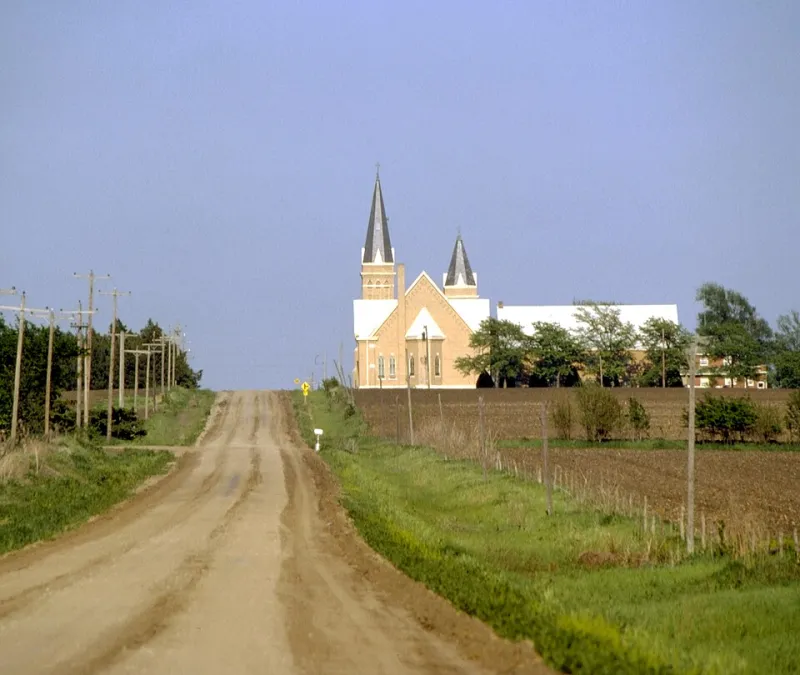
Photo: Tequask, CC BY-SA 4.0, via Wikimedia Commons
The meeting might be in a fire hall, a co-op back room, or somebody’s kitchen table with the good chairs pulled in from the dining room. There’s a clipboard, a coffee pot that’s seen better decades, and a short agenda. On it: gravel, a culvert, maybe a mowing contract, and a levy number that sounds small until you remember it’s attached to every acre in the township.
This is Nebraska’s smallest government at work. Not the Unicameral, not the county board, not the school board—the township board and the road district. These are the folks who decide where the blade goes after a spring soak and which washout gets fixed first. The meetings rarely draw a crowd. That’s not because the decisions don’t matter. It’s because most of us don’t find out until the grader has already passed us by.
Who’s actually on the board?
In most Nebraska townships, you’ll find three trustees, a clerk, and a treasurer. Some places fold the clerk and treasurer duties together; some have a road overseer in the mix. These aren’t full-time politicians. They’re the neighbor with the good penmanship, the retired farmer who knows every tile line in the county, the person who agreed to keep the minutes because nobody else would.
How they get there varies by county. In some places, township officers are chosen at the annual township meeting. In others, they show up on the ballot like any other local race. Your county clerk or election office can tell you which system your township uses—and when the next opening comes up. That’s worth knowing before the filing deadline sneaks past, not after.
Road districts are a little different. Counties divide road work into districts, and the county board handles the big-picture budget. But the day-to-day calls—which roads get bladed first, where gravel gets dumped, which culvert is failing—often run through a road overseer or the county highway superintendent. In small counties, the same name might show up on three different lists.
The notice is probably closer than you think
Nebraska’s Open Meetings Act requires public bodies to give notice before they meet. For township boards, that usually means a notice posted in the usual spots—the town hall, the post office, the co-op, maybe the bank—and often printed in the county’s newspaper of record. Some townships have started emailing agendas or posting them on a county website, but the pushpin still does a lot of work in rural Nebraska.
If you can’t find the notice, call the township clerk. That’s not being nosy. That’s being a constituent. The clerk is the record-keeper, and the record is public. Ask where notices are posted, when the next meeting is, and whether there’s a budget hearing on the calendar. The answer might be “third Tuesday at the fire hall,” and it might be “we’ll post it at the elevator.” Either way, you’ll know where to look.
The levy is small until you add it up
Township levies are often modest compared with county or school levies, but they’re still real money. The board sets a budget, and the county board levies the tax. That budget pays for gravel, blade work, culvert pipe, mowing, insurance, and the clerk’s supplies. In a dry year, the road account might look flush. In a wet year, a single washout can eat the reserve.
This is where a neighbor’s questions can be genuinely useful. Not gotcha questions—just the kind you’d ask a friend who’s fixing your fence. What did we spend on gravel last year? How many loads? Where did they go? Is there a reserve fund, and what’s it for? When was the last culvert inventory, and which one is next on the list?
You don’t need a spreadsheet to ask. You just need to show up, listen, and take a note. The board members will likely be glad somebody besides the clerk is paying attention.
Before the first blade hits gravel next spring
Grading season has a rhythm. Spring thaw, then the rush to fix what winter broke. Summer maintenance. Fall prep. By the time the grader is in your rearview, the plan is already set. So the best time to ask is now—before the budget is locked and before the road list is final.
A few practical questions to bring to the next meeting:
- Which roads are on the grading schedule, and how is that order decided?
- How are culverts prioritized—age, size, drainage area, or who called first?
- What does a load of gravel cost this year, and where is it coming from?
- Is there a spot to report a washout or a plugged culvert between meetings?
- When is the budget hearing, and how can neighbors weigh in before the levy is set?
Those aren’t hostile questions. They’re the same questions a good neighbor asks before borrowing a truck. They signal that you’re not there to complain about dust; you’re there to understand the juggling act.
The smallest government still needs neighbors
Township halls and road districts don’t run on applause. They run on quorum. Three people showing up, a clerk taking minutes, and a treasurer writing checks. When nobody shows up, the decisions still get made—just without the benefit of a second opinion from the folks who drive those roads every day.
So check the post office bulletin board. Ask the clerk when the next meeting is. Bring a folding chair if the fire hall is full. You don’t have to run for trustee to be useful. You just have to be the neighbor who knows where the gravel goes—and why.