The Table by the Window: Where Nebraska’s Local Agenda Gets Its First Hearing

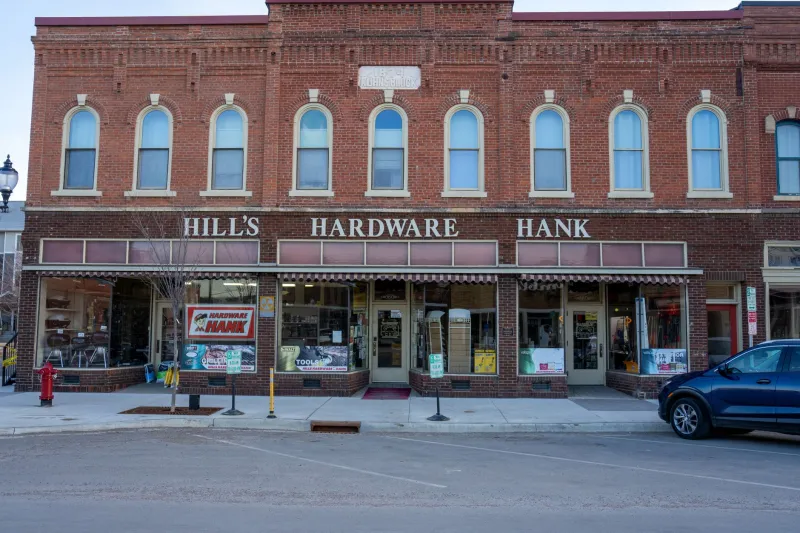
At 6:45 on a Tuesday morning, the table by the window of a small-town Nebraska café is already full. A truck key sits next to a sugar dispenser. Someone is explaining why the culvert on the east edge of town backed up again. Someone else is defending the high school’s schedule. A third person is mostly listening, which is often the most useful job at the table.
There is no gavel. No agenda packet. No minutes. Yet this is where a lot of local business gets its first hearing.
More Than a Refill
Coffee groups are easy to romanticize. They are also easy to dismiss. The truth is less tidy: they are civic infrastructure, just like the library, the Legion hall, and the courthouse square. They are where neighbors test ideas before those ideas get official.
A concern about a slippery sidewalk might surface at the counter weeks before anyone calls city hall. A question about ambulance coverage might get chewed on by retirees who remember how it used to work. A young parent might hear about a school bond proposal for the first time while waiting for a to-go cup. None of this replaces a public meeting. But it often shapes what gets said at one.
In towns from Alliance to Auburn, the morning table functions as a kind of early-warning system. It is not scientific. It is not fair. It is not always right. But it is where the community’s temperature gets taken.
The Agenda Before the Agenda
Local issues rarely arrive at a council meeting fully formed. They begin as hunches, complaints, rumors, and half-remembered facts. The café table is where those things get sorted—or at least argued about.
Someone says the street department is short-staffed. Someone else says the problem is not staffing but the old truck. A third person says the real issue is that the town keeps patching the same stretch of asphalt instead of fixing the base. By the time the issue reaches a county board or city council, it has usually been compressed into a few familiar questions: What will it cost? Who decides? And why now?
That sorting happens in other places, too—church basements, farm supply counters, gym bleachers. But the café table has a particular rhythm. It is regular. It is low-stakes. It is early enough that people have not yet hardened into their public positions.
How to Pull Up a Chair
If you are new to town, the morning table can feel like a closed club. Sometimes it is. But more often, it is a habit. The way in is not to arrive with a plan. The way in is to arrive.
Order something. Sit nearby. Say good morning. Do not hand out fliers on your first visit. Do not announce that you are there to fix local government. Ask a simple question and then let the silence do some work: What has changed around here lately? What should a new neighbor know? Who handles the ditch on the north road?
Listening is the first act of local politics. It is also the one most likely to be skipped.
If you have a concern, bring it as a question rather than a campaign. “I noticed the crosswalk by the school is hard to see in the morning” goes further than “Nobody is doing anything about safety.” Ask who has already tried to solve it. Ask what happened. Ask what it would take to get it on a meeting agenda. The table is not a council. It is a sensing organ. Treat it that way.
When the Table Disagrees
These spaces are not always neighborly. A coffee group can turn into a complaint loop. It can freeze out newcomers. It can confuse volume with wisdom. It can be wrong.
That is why the table works best when it stays connected to the formal process. A good coffee conversation should end with a next step: attend the meeting, call the office, read the notice, ask the engineer, talk to the affected neighbors. The table is a starting line, not a finish line.
And if you find yourself on the losing side of a table argument, resist the urge to make it personal. Refill your cup. Ask one more question. The person across from you may be wrong about the pipe, but they may also know exactly which neighbor has the easement map.
The Walk From the Counter to the Courthouse
The café table is not official Nebraska. It does not vote. It does not bind anyone. But it does something that official meetings often struggle to do: it lets people talk before they have to decide.
In a small town, that matters. The council meeting is where the record is made. The coffee table is where the record gets its first rough draft. If you want to understand how a local agenda is set, do not start at the agenda. Start at the table by the window. Listen long enough, and you will hear the next issue coming—long before the gavel.