The First Pass: A Neighborly Guide to Nebraska Snow Routes
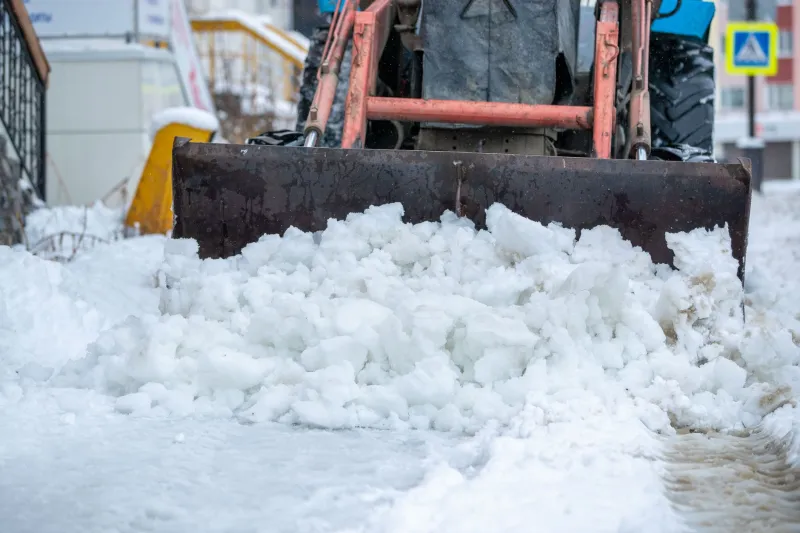
The first storm of the season has a way of turning ordinary neighbors into amateur civil engineers. We stand at the window, watch the plow turn the corner, and wonder why that street got the blade first and ours got a lonely pass at dusk. In most Nebraska towns, the answer is not a mystery or a grudge. It is a map, a budget, and a set of safety calls made long before the first flake.
The Map Is a Promise—and a Budget
Every city and county with paved roads has some version of a snow-route plan. The names vary—priority routes, emergency snow routes, arterial streets—but the logic is similar. Public works crews start with the streets that carry the most people, the most emergency traffic, and the least room for error. A hospital hill. A highway connection. A school-bus turnaround. The main drag through town. Then they work outward, often repeating the first pass before they ever reach a residential cul-de-sac.
That order is also a budget document in disguise. A town with three plows and a sand truck cannot clear every street at once, so the plan tells crews where to spend the first hours. When residents say the plow never comes down their street, what they often mean is that their street is last on a list written when the city had different equipment, different traffic, and maybe a different mayor.
What Usually Gets Plowed First
Most Nebraska snow plans follow a rough hierarchy:
- Emergency and arterial routes. These are the streets signed for snow emergencies, the ones connecting hospitals, fire stations, and highways. They get the first pass and the most repeat visits.
- Collector streets and school routes. These move bus traffic and neighborhood cars toward the main roads. School-bus turnarounds get special attention because a stuck bus can strand a whole route.
- Hills and problem spots. A gentle slope in July can be a skating rink in January. Crews watch known trouble spots—bridges, shaded corners, the hill by the hospital—and treat them early.
- Residential streets. These usually get a pass once the main network is open. Cul-de-sacs, alleys, and dead ends often wait longest because they take more time per block and serve fewer vehicles.
- Sidewalks and trails. In many towns, this is the property owner’s job, not the city’s. That is worth remembering before the first big drift.
Why Your Cul-de-Sac Waits
It is not personal. A plow that can clear a four-lane arterial in one sweep may need three careful passes to turn around in a cul-de-sac, and the operator may have to back up—always a safety concern. Alleys are tighter still. If a town has an older plow fleet, those low-priority streets can wait until after the storm ends and crews have slept.
Snow emergencies add another layer. When a mayor declares one, parking rules kick in on designated routes so plows can actually clear the full width. Cars left on those streets slow everybody down. The neighborly move is to know the signs on your block, move your car before the storm, and tell the neighbor who just moved in.
How to Ask for a Change Without Making It a Fight
Snow routes get changed. A new school, a growing subdivision, or a bad accident can prompt a review. The trick is to ask in a way that public works can actually use.
- Start with the map, not the mood. Ask city hall or the county roads department for the current snow-route map. Many towns post it online. Find your street and see where it sits.
- Bring a specific concern. A report that your street is impassable for the mail carrier after every storm is easier to act on than a general complaint that your block always gets skipped.
- Show up early. Spring and summer are the best times to request a route review. Asking in January, mid-storm, usually gets a sympathetic nod and no immediate change.
- Offer a neighborhood solution. If three blocks have the same problem, a short petition with names and addresses carries more weight than one angry call.
- Respect the trade-offs. If your street moves up the list, another street moves down. Ask what the city would give up, and be ready to hear an honest answer.
The Neighbor Part
Plow routes are civic infrastructure, but the space between the plow and the front door is neighbor territory. A few small habits make winter safer for everyone:
- Shovel the sidewalk, not just the driveway. If you can, clear a path to the mailbox and the bus stop.
- Adopt a fire hydrant. A buried hydrant wastes minutes when minutes matter.
- Check on the neighbor who cannot shovel. The person with the snowblower usually knows who needs it.
- Don’t shovel snow into the street. It undoes the plow’s work and can freeze into a hazard.
- Give the plow room. Stay back, pass only when safe, and wave. The operator is having a longer day than you are.
A Short Checklist Before the Next Storm
Know your route. Move your car. Clear your sidewalk. Check the map, then check on a neighbor. And if you still think your street should get an earlier pass, call city hall in the calm of May—not the middle of a blizzard. That is how a snow map gets better without turning the plow into a political fight.