The Fence Still Stands: A Nebraska Guide to Post-Election Neighborliness
The quiet after the yard signs
By the second week of November, the cardboard has come down. The wire stakes go into the garage. The Facebook profile pictures drift back to grandkids and hunting dogs. And Nebraska gets on with the quiet work of being neighbors again.
Except it is not always quiet. In local politics, the races that sting most are often the ones closest to home: school board, city council, natural resources district, county sheriff, and the ballot questions that decide everything from a swimming pool bond to a landfill expansion. You do not just disagree with a candidate. You disagree with the person who sits two pews ahead of you, coaches your kid’s T-ball team, or lends you a posthole digger.
That is the strange intimacy of civic life in a small state. We share a lot of fence line. The good news is that most Nebraskans are better at this than cable television suggests. The bad news is that nobody hands out a script when the election is over.
So here is a neighborly attempt at one.
Start with the fence, not the fight
A community mediator who works with counties across central Nebraska put it plainly: most people do not want a rematch. They want reassurance.
“After an election, people are not usually asking for a debate,” the mediator said. “They are asking, ‘Is the relationship still intact?’”
That means the first conversation after a hard race does not have to be about the race at all. It can be about the weather, the price of corn, the weird noise coming from the pickup, or the fact that somebody’s mums are still blooming when everybody else’s gave up in October. Reestablish the ordinary first. Politics can wait.
Pastors in rural and small-town congregations say much the same thing. One minister in south-central Nebraska tells parishioners that honesty and kindness are not opposites. “You can be honest about your vote and still be kind about your neighbor,” the pastor said. “Those two things are supposed to fit together.”
Scripts for the awkward aisle
There is no perfect sentence. But a few work better than others.
- “I voted differently than you did. I’m not looking to change your mind, and I’m not going to pretend I didn’t. I’m glad you’re my neighbor.”
- “I’m not ready to talk about the election yet. Can we talk about the game instead?”
- “I hear that you were worried about this. I was worried about something else. I don’t think either of us is a bad person.”
- “That’s a strong opinion. I want to understand it, but I need to ask: are you asking me to agree, or just to listen?”
- “I’m going to pass on this conversation. I care about you too much to have it badly.”
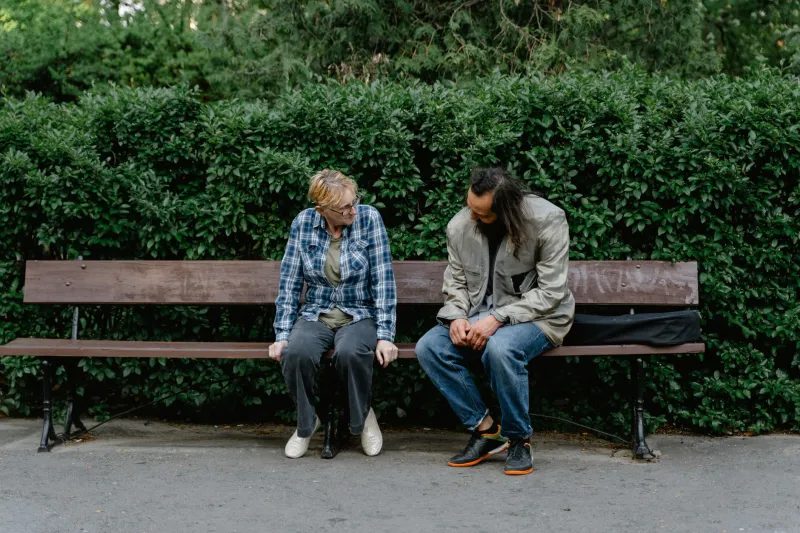
What tends to make things worse? “How could you vote for that?” “People like you.” “You’re not a real Nebraskan.” The point of a post-election conversation is not to win the argument a second time. It is to keep the relationship from becoming collateral damage.
Boundaries are neighborly, too
A lot of us were raised to be polite at all costs. But endless rehashing is not polite. It is exhausting.
The neighborly move is sometimes a clear limit. “I don’t talk politics before coffee.” “We can be neighbors without being debate partners.” “I’ve said what I can say. Let’s talk about something else.” Then actually change the subject. Ask about the granddaughter’s volleyball season. Offer to help carry in the groceries. Move the conversation toward something you can do together.
Social media is not the fence. A comment thread is not a conversation. If you would not say it across a real fence line, it probably does not need to be typed at 11 p.m. A good rule for the week after an election: wait twenty-four hours, then call or knock on the door.
When to bring in a third party
Most spats blow over. Some do not. If a disagreement has moved from politics into property lines, barking dogs, campaign signs that keep “mysteriously” falling over, or a family feud that is now a township issue, it may be time for help.
Nebraska has mediation centers and trained conflict-resolution practitioners who work with neighbors, families, and local boards. Pastors, trusted elders, and extension educators can also be good bridges. The goal is not to declare a winner. It is to get people talking in the same room with a little structure and a lot less heat.
“A mediator is not there to make everybody agree,” the central Nebraska mediator said. “A mediator is there to help people hear each other long enough to make a decision.”
The long game of local democracy
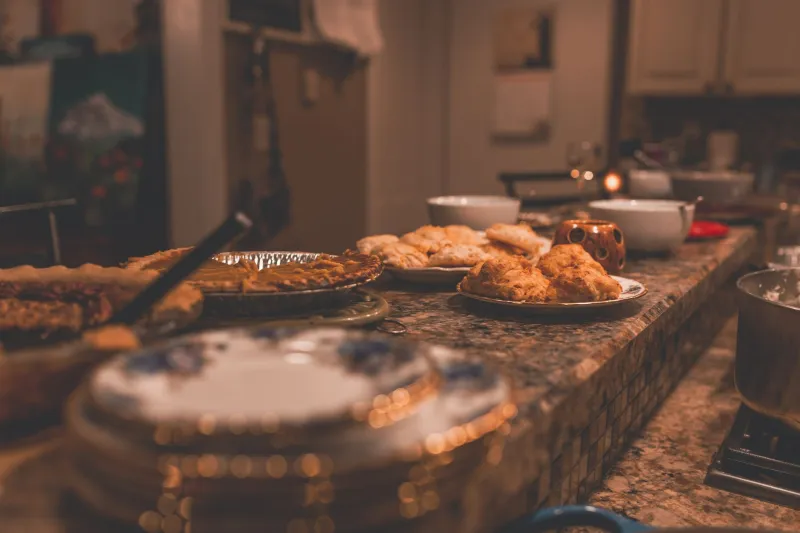
Local democracy is a relay, not a single race. The next school board meeting is coming. The township board will meet again. The city council will take up the budget. The county fair will need volunteers. The church supper will need pies.
The work of being a neighbor does not end when the signs come down. In some ways, that is when it starts. The goal is not unanimity. It is enough trust to keep showing up.
So say hello at the grocery store. Ask about the knee surgery. Buy the fundraiser ticket. Sit a little closer at the ballgame than you did last week. The fence still stands. That is a good place to start.