Corkboard Democracy: The Pushpin Still Runs a Nebraska Town
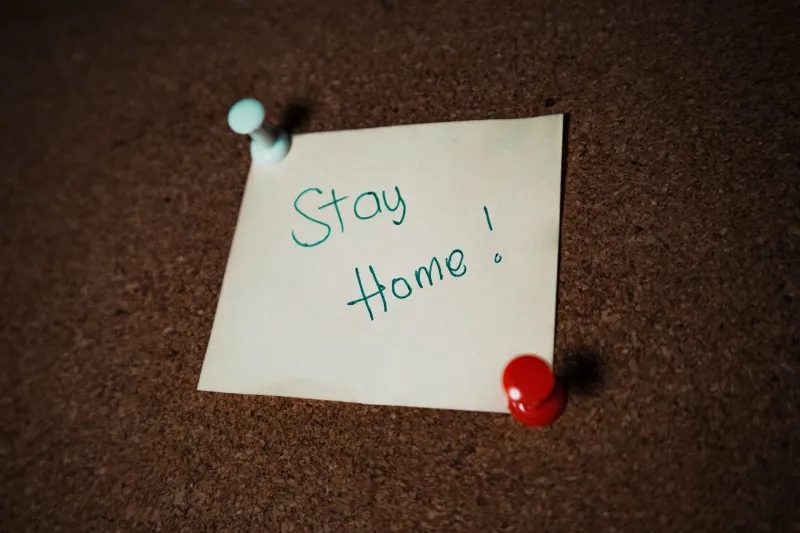
There is a small, satisfying sound that still means something in Nebraska: a pushpin pressing into cork. It happens in post office lobbies, next to laundromat washers, under the feed store awning, and in library vestibules where the heat leaks in every time the door swings. In 2026, these boards are not charming leftovers. They are working civic infrastructure.
A town website can post a zoning notice. A Facebook group can announce a blood drive. But the corkboard does something those channels often cannot: it puts the same information in front of the same people at the same time, no login required. It is a town square made of paper, staples, and thumbtacks.
The Front Page Nobody Delivers
Walk into almost any Nebraska post office and you will find the board near the door or beside the counter. It is usually a little crooked. It is usually crowded. And it is usually telling you more about the week ahead than any newsletter.
There is the church supper flyer with a tear-off strip at the bottom. There is the snowplow schedule, printed in a font that suggests the copy machine was having a rough day. There is a lost dog notice with a photo taped at an angle. There is a public hearing notice for a zoning change, a 4-H meeting, a community choir practice, a GED class, and a benefit for a neighbor whose name half the town already knows.
Feed stores carry a different flavor of board: bull sale notices, fence-building clinics, pasture rental cards, and reminders about a noxious weed meeting. Laundromats tend toward the practical and the personal—babysitting availability, a used dryer for sale, a reminder that the lint trap is not optional. Library vestibules split the difference: story hour, adult book club, town hall, and a notice about the pool schedule.
None of these boards is comprehensive. That is part of the point. They are local, imperfect, and edited by whoever has a spare thumbtack and a working sense of courtesy.
A Town Square With No Algorithm
Social media is built to sort us. The corkboard is built to slow us down. Everyone sees the same flyers, more or less, in the same order—unless someone has pinned a new notice over an old one, which is its own civic offense.
That shared view matters. A board does not know your browsing history. It does not decide that you are the kind of person who cares about school board meetings or the kind of person who cares about tractor tires. It just puts the whole messy mix together and lets you sort it out.
It also has a low barrier to entry. You do not need an account, a smartphone, or a reliable internet connection. You need a flyer and permission to hang it. That makes the board one of the more democratic tools in rural Nebraska—not because it is fancy, but because it is nearly impossible to gatekeep.
Of course, analog life has limits. A board cannot update in real time. It cannot translate itself. It cannot tell you whether the meeting moved to the community center or whether the church supper sold out. That is why the board works best as a starting point, not the final word.
How to Read a Board Like a Neighbor
First, read the dates. This sounds obvious until you realize that half the notices on a busy board are for events that happened two weeks ago. A flyer for a 'Saturday pancake feed' is not useful if Saturday has already passed. Check the year, too. Some boards are archaeological sites.
Second, look for the practical details. A good notice includes what, when, where, who to call, and whether there is a cost. If it does not, ask the clerk, the librarian, or the person behind the counter. They usually know.
Third, take a photo if you need to remember it. Nobody expects you to memorize the phone number for a zoning hearing while you are buying stamps.
Fourth, leave the tear-off tabs alone unless you actually plan to call. They are not party favors. They are the flyer’s only working phone line.
And fifth, check more than one board if you are new in town. The post office board might carry the official notices. The laundromat board might carry the informal ones. The feed store board might carry the ones that matter most to people who live outside city limits.
How to Post Without Becoming the Person Everyone Avoids
Bulletin board etiquette is not complicated, but it is real. Ask first. Some post offices, libraries, and businesses have rules about what can be posted and how long it can stay up. Follow them.
Date your flyer. Put the event date in large type and include a contact number. If it is a public meeting, include the location and whether the space is accessible. If it is a fundraiser, say what the money supports. If it is a lost pet notice, include a clear photo and a phone number that actually works.
Use pushpins, not tape, if the board is cork. Do not cover another notice. Do not hang a flyer for an event that has already happened. And when your event is over, go back and take your notice down. That small act of cleanup is a civic kindness.
If the board is full, ask before you rearrange. The person who pinned the church supper flyer may have chosen that spot for a reason—or may simply have been the first one there. Either way, a little conversation goes a long way.
Why the Cork Still Matters
In 2026, Nebraska towns have more ways to communicate than ever. That is good. But the bulletin board persists because it does something the digital world often struggles with: it makes public life visible in a place where people already stand.
You do not have to seek out the board. You walk past it on the way to your mailbox. You see it while your laundry spins. You glance at it while you wait for a prescription. And in that moment, you learn that the town is having a blood drive, that the school board is meeting, that a neighbor lost a dog, or that the zoning commission is taking public comment on a gravel pit.
The pushpin is not a replacement for a town website or a newspaper. It is a complement—a low-tech, high-trust layer of local information that still works when the Wi-Fi does not. It is one of the most democratic civic tools rural Nebraska has, mostly because it asks so little of us: show up, read carefully, post honestly, and take your flyer down when it is done.
So next time you see a corkboard by the door, give it a neighborly look. The town’s front page is probably right there, held up by a thumbtack and a little bit of trust.