Dry Grass, Quiet Calls: The Neighborly Relay That Carries a Nebraska Burn Ban
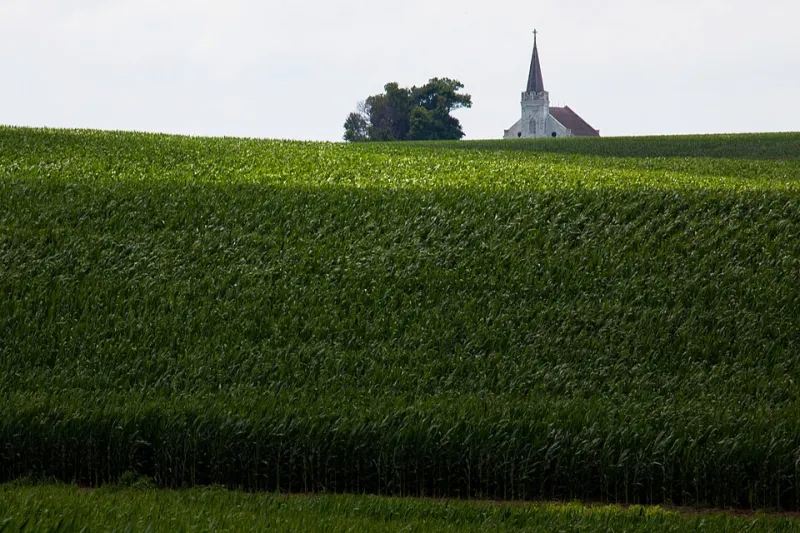
Photo: Bradley Weber, CC BY 2.0, via Wikimedia Commons
As of mid-November 2026, plenty of Nebraska counties are still waiting on a good soaking. The corn is out, the grass is cured, and the wind has a way of finding every little spark. That is the season when a county board, working with the emergency manager and local fire chiefs, can put a burn ban in place. The legal notice is usually short. The story of how that notice reaches your neighbor is longer, and a lot more human.
The Decision Starts in a Room With Too Many Chairs
A burn ban is not one person saying no. In most counties, the board of commissioners or supervisors adopts a resolution based on conditions: fuel moisture, drought indexes, red flag warnings, and the collective judgment of the fire chiefs who know which pastures are one cigarette away from a problem. The county emergency manager often coordinates the paperwork. The sheriff's office usually handles the enforcement side, though nobody wants that to be the main event.
The rule itself is plain. Open burning is restricted. Burn barrels may be allowed with conditions. Campfires might be permitted in established rings, or they might not. Agricultural burning can have its own process, and controlled burns usually require a permit and a phone call. The exact list changes from county to county, which is part of why the message needs a relay and not just a PDF.
The Rule Leaves the Room and Gets a Second Life
Here is the part that does not show up in the minutes. The county can post the ban on its website and send it to the local paper, but in a town of 600, the website is not the front door. The front door is the co-op newsletter, the fire hall's group text, the church bulletin, the school's Friday folder, the café counter, and the grain elevator's office window.
Rural electric co-ops often slip a notice into their newsletters or social feeds. Volunteer fire departments post it on Facebook and tack paper copies to the station door. The café owner mentions it with the coffee refill. Somebody at the elevator tells a farmer who lives eight miles out and does not scroll much. The county's emergency alert system may send a text, but only to people who signed up. The sign at the county line is a backup, not a substitute.
The Fire Hall Group Text
Volunteer firefighters are the ones who usually end up explaining the rule in person. They do not love this part. They signed up to put out fires, not to be the burn-ban police. So the first contact tends to be gentle.
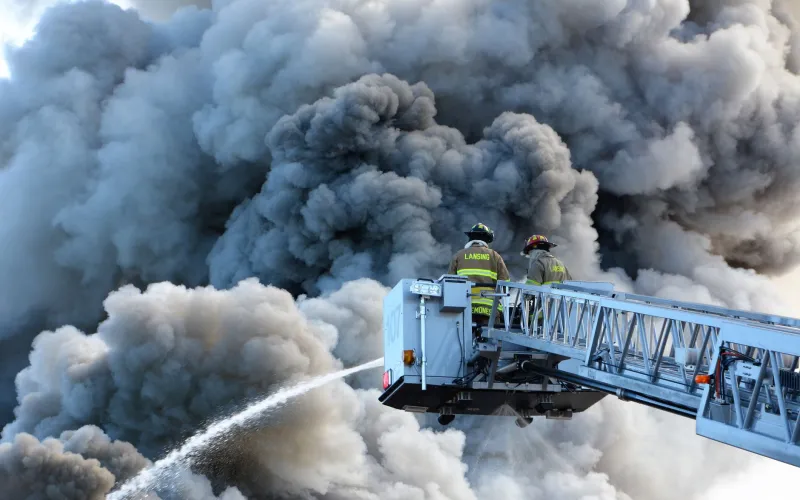
A chief or assistant chief sees smoke, drives out, and asks a simple question: What are we burning? If it is a small campfire in a ring and the county allows it, the conversation may last thirty seconds. If it is a pile of limbs and the grass is crisp, the request is friendly but firm: We need this out today. Most people say they did not know. Most people put it out. The fire crew may even help.
Enforcement is a last resort because it is slow and because it costs something. A citation can turn a neighbor into an adversary. A volunteer department depends on goodwill for fundraisers, recruitment, and the next generation of members. So the goal is compliance, not a court date. The sheriff gets involved when someone keeps burning after being asked, or when the risk is high enough that a friendly reminder is no longer responsible.
The Neighbor Who Notices Smoke First
The most effective burn ban message is not official at all. It is the neighbor who sees a column of smoke and makes a call. Sometimes that call goes to dispatch. Sometimes it goes to the fire chief's cell phone. Sometimes it goes across the fence: Hey, I think the Hendersons did not hear about the ban.
That kind of correction works because it is local and because it preserves dignity. A burn ban is a test of whether a community can correct itself without turning every mistake into a public shaming. The best calls start with concern, not accusation. The worst ones start on Facebook. A public post can spread faster than the ban itself, and it can leave a mark that lasts longer than the dry spell.
Why the Message Sometimes Misses
No relay is perfect. Counties are big. Landowners live out of state. Some residents commute and are not plugged into the local text chains. Broadband is still uneven. A burn ban is only as good as its least-connected resident.
That is why fire chiefs keep paper lists and knock on doors. It is why the county fair, the sale barn, and the grain elevator still matter as bulletin boards. It is why the non-emergency dispatch line exists and why the person who answers it can tell you whether your county is under a ban before you light the match.
What Neighbors Can Do
Check the county's current status before burning anything, and check again after a windy day. Read the exemptions instead of assuming them. Call the non-emergency line if you are unsure. If you see smoke, report it, but do it through the proper channel and not as a public spectacle. And if a fire crew asks you to put it out, remember that they are volunteers who probably have a day job and a family waiting on them.
The burn ban bulletin is not really one document. It is a chain of neighbors passing along a rule, sometimes with a text, sometimes with a wave, sometimes with a hose. When the chain works, nobody notices it. They just notice the grass is still there, the pasture is still standing, and the town made it through another dry week together.