When the Siren Sounds, Who Answers? Rural Nebraska’s Volunteer Fire Squads Need Neighbors—Not Just Applause
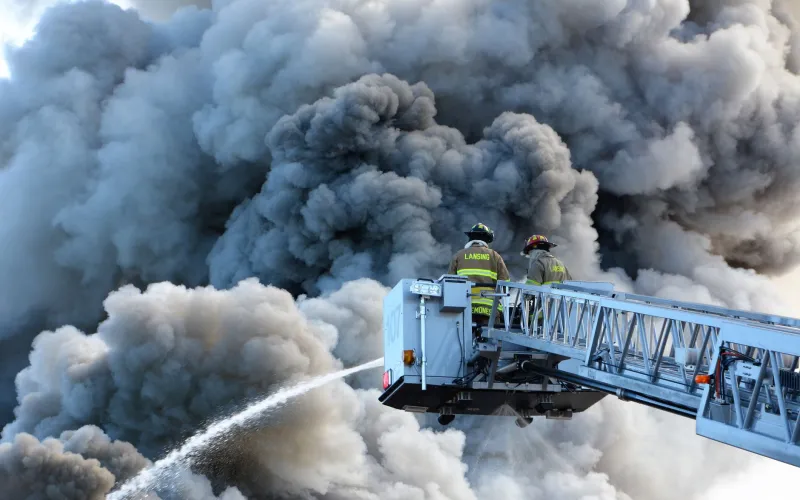
In a small Nebraska town, the fire siren does something a smartphone alert cannot. It interrupts supper. It pulls people off tractors, out of church pews, and away from the football game. It sends a simple message: somebody’s neighbor needs help. But in 2026, that siren often finds fewer people able to answer the call.
Rural volunteer fire and rescue departments are not a romantic footnote to Nebraska life. They are the first line of defense for fires, car crashes, medical emergencies, grass fires, storm damage, grain bin rescues, and the kind of bad day that can happen on any gravel road. When the ranks are thin, the whole community feels it.
The Siren and the Silence
Most volunteer departments are built on a simple bargain: neighbors train on nights and weekends, keep a pager or phone close, and leave their jobs or supper tables when the tone drops. The first truck may be driven by a farmer, a teacher, a mechanic, or a nurse. The person holding the flashlight at a crash scene may have been stocking shelves an hour earlier.
That bargain still works in many towns. But it is under strain. Departments that once had a waiting list now post recruitment flyers. Some squads worry about the night when only two or three members are available. Others are getting by through mutual aid, with neighboring departments covering longer distances and more calls.
Why the Ranks Thinned
There is no single villain in this story. Younger families often move away for work. Two-income households make daytime volunteering harder. Training requirements are serious, as they should be, but the hours add up. Call volume has grown in some areas. Longtime members age out. Burnout is real, especially in departments that handle both fire and emergency medical calls.
Money matters, too. Equipment is expensive, grants are competitive, and small tax bases cannot always cover everything. But the deeper issue is time. Volunteer service asks for a slice of ordinary life that many families feel they cannot spare.
Why It Matters Beyond the Fire
When a rural department shrinks, response times can stretch. A crew that once arrived in minutes may now wait for a neighboring town. In a medical emergency, those minutes matter. In a house fire, they can decide whether a family loses a room or a home. Insurance ratings can also be affected, which can hit homeowners in the wallet.
Volunteer departments do more than answer emergencies. They host school visits, check smoke alarms, staff community events, and help after storms. They are often the only public safety presence in town after dark. Losing them is not just a fire-service problem. It is a community problem.
What Departments Are Trying in 2026
Across Nebraska, departments are getting creative. Some hold open houses with chili and a chance to try on gear. Others run junior firefighter or explorer programs for teenagers. A few offer paid-on-call stipends, child care during training, or flexible drills on weekends. Departments are sharing training weekends, posting short videos on social media, and asking auxiliary members to handle fundraising and meals.
There is also more attention to mental health. First responders see hard things, and rural departments are learning that peer support and honest conversation are part of retention, not extras. The common thread is hospitality. The departments that are growing tend to be the ones that make newcomers feel useful before they feel qualified.
How a Neighbor Can Help
You do not have to fight fires to be valuable. Start by asking your local department what would actually help. Then pick one thing and follow through.
- Show up to the fundraiser, the pancake feed, or the turkey fry. Bring a friend.
- Offer to provide a meal at a training night. Feeding volunteers is not a small gift.
- Volunteer for the auxiliary or the support side: bookkeeping, grant writing, social media, event planning, or childcare.
- If you have a trade, offer it. Mechanics, electricians, nurses, teachers, and retired contractors all have skills departments need.
- Ask about junior firefighter or explorer programs for teenagers in your family.
- Encourage your employer to support volunteer responders, even if it is just a flexible hour here and there.
- Check on older neighbors and help them test smoke alarms.
- Attend the open house. Ask honest questions. See if serving fits your life.
- If you can, consider becoming a volunteer firefighter or emergency medical responder. Training is a commitment, but departments expect to train new people. You do not need to arrive as an expert.
Start With One Night
The neighborly move is not a grand gesture. It is a phone call and a visit. Call your local department’s non-emergency number, ask when the next meeting or training night is, and show up with a box of cookies and a willingness to listen. In 2026, rural Nebraska does not just need applause for its volunteers. It needs more people at the table when the siren sounds. The good news is that the table is still open.