The Tower, the Bill, and the Neighbors: A Guide to Nebraska Infrastructure Meetings
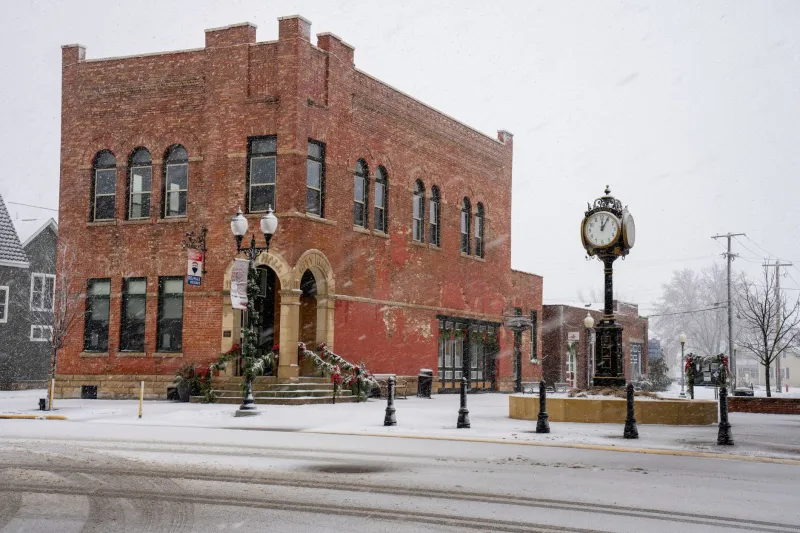
The water tower has the town’s name painted on it. That is usually the most popular thing about it. The rest—the inspections, the valves, the rate study, the loan paperwork—tends to show up at a public meeting on a Tuesday night when everyone would rather be somewhere else.
Aging infrastructure is one of those problems that is easy to ignore until it is not. Then a water main breaks in January, or a sewer line backs up under Main Street, or the broadband company says it needs a new easement. Suddenly the town is talking about money, and the room gets quiet—or loud.
This is not a story about a crisis. It is a guide to the meeting where the crisis gets discussed.
Why the Numbers Feel Big
Underground work is expensive because it is underground. Pipes, valves, lift stations, and treatment systems do not show up in a parade. They do not get ribbon cuttings. They get deferred.
Many Nebraska towns are working with systems that were built or expanded decades ago. The details differ in Holdrege or Beatrice, Wayne or Chadron, but the shape is familiar: a water main that was patched through the 1990s, a street that keeps getting overlay instead of a rebuild, a well that needs testing, a lagoon that needs attention. The town may also be facing new federal or state requirements, or a grant deadline that forces a decision faster than anyone would like.
And then there is the rate question. A project can be paid through grants, loans, reserves, bonds, or higher monthly bills. Often it is some mix. That is why the meeting can feel less like a construction discussion and more like a household budget with a lot more chairs.
What a Useful Question Sounds Like
You do not need to be an engineer to ask a good question. You need to be specific and curious.
- What exactly does this project fix, and what happens if we wait another five years?
- What is the total cost, including interest and ongoing maintenance?
- Who pays, and how will the rate change affect fixed-income households?
- What grants or low-interest loans are we applying for, and what happens if we do not get them?
- What alternatives were considered, and why was this one chosen?
- What is the timeline, and what will neighbors see during construction?
A useful question is not a speech. It is a request for information. If you do not understand the answer, say so. “Can you explain that in plain terms?” is not a sign of weakness. It is a sign that the meeting is working.
When Neighbors Disagree
The bill comes due whether the room is friendly or not. Respectful disagreement starts with keeping the project and the person separate.
Say “I am worried about the monthly increase for people on fixed incomes” rather than “You people don’t care about seniors.” Ask for the rate study. Ask how the town compared the options. Ask whether the project can be phased. Ask what happens if the town does nothing. Those are fair questions, and they are more likely to get a fair answer.
It also helps to remember that infrastructure meetings attract people who are directly affected: the neighbor with a basement that floods, the business owner who needs reliable water, the retiree on a tight budget, the young family that just bought a house. None of them are the villain. They are all reading the same bill from different chairs.
If the room gets tense, take a breath and let someone else finish. Applause and boos do not improve a pipe. They just make the next speaker more defensive.
A Checklist for Showing Up
- Read the notice and agenda before you go. Find the project name, location, and cost estimate.
- Look for the engineer’s report or rate study if the town has posted one. You do not have to read every page. Find the summary.
- Write down two or three questions. Bring them on paper. Keep them short.
- Arrive a few minutes early. Sign in if asked, but you do not need to speak to be counted as a neighbor who cares.
- Ask one question at a time. Listen to the whole answer before following up.
- Take notes—not to catch anyone, but to remember what was said.
- Follow up after the meeting. Ask when the next vote is, where the documents are posted, and how to submit a comment if you cannot attend.
- Talk to a neighbor afterward. The meeting is one conversation. The town is a longer one.
The Tower Will Outlast the Meeting
A water tower can stand for generations. The meeting about repairing it may last ninety minutes. The decisions made in that room will shape monthly bills, street closures, and the town’s ability to grow or stay stable.
That is why showing up matters. Not to win. Not to perform. To understand the project, ask a useful question, and treat the person across the room like a neighbor who also has to live with the answer.
The tower has the town’s name on it. The meeting is where the town decides what that name is worth.