Slice of the Pie: Church Basements and Legion Halls Are Rural Nebraska’s Quiet Civic Engine
A Tuesday night that funds a year
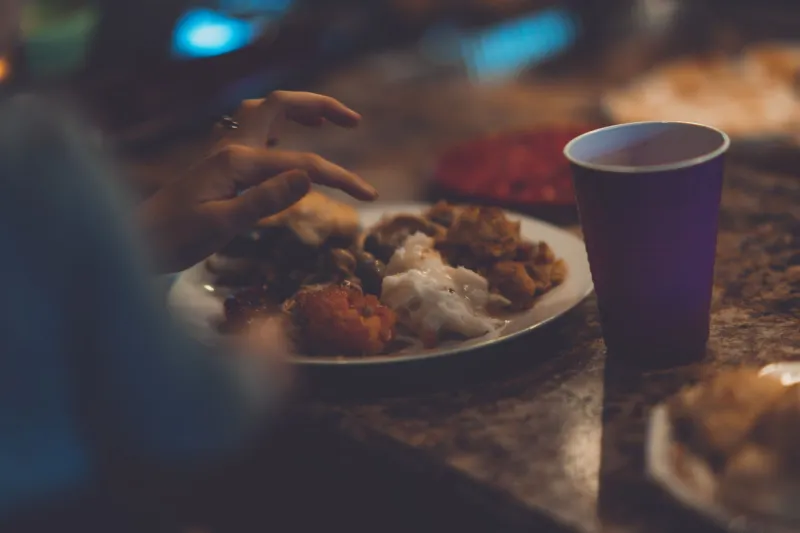
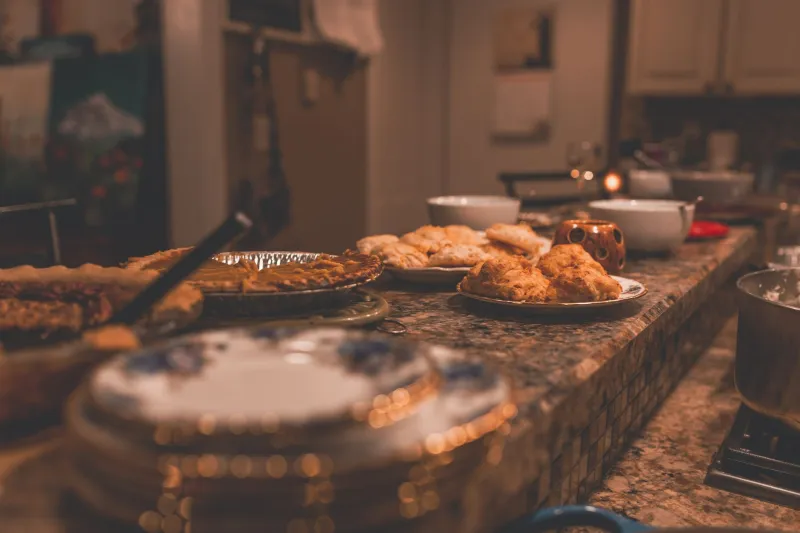
The auctioneer is a farmer in a clean shirt. The pie table is a lineup of foil and plastic wrap: cherry, pumpkin, pecan, custard, and one chocolate meringue that looks like a cloud that got into the sugar bin. Folding chairs scrape across the Legion hall floor. Somebody’s grandson is running the cash box. Somebody’s grandmother is running the whole show.
This is fundraising season in small-town Nebraska, and it does not look like a foundation board meeting. It looks like a church-basement supper, a meat raffle at the American Legion, a quilt drawing, a school pie auction, and a silent auction for a cooler that has been donated, re-donated, and donated again.
In a town of 700, a good pie auction can bring in a few thousand dollars. That is not a rounding error. It can fund a year of scholarships. It can stock a food pantry for a winter. It can buy radios for the volunteer fire department or pay for summer ball uniforms or help mow the cemetery. It can do the unglamorous, essential work that nobody writes a grant for.
More than a dessert
It is easy to call these events quaint. They are quaint. They are also civic infrastructure.
They have a low barrier to entry. You do not need a grant writer, a board packet, or a Zoom link. You need a roaster pan, a folding table, and somebody willing to make coffee for 150 people. You need a hall. You need a crew. You need a town willing to show up.
“We don’t call it fundraising,” a church volunteer in north-central Nebraska said. “We call it the church supper. The money is a side effect.”
But the side effect matters. The side effect is scholarships for kids who are the first in their family to go to college. The side effect is a food pantry that stays open in February. The side effect is a new roof on a rural church that doubles as the community’s funeral dinner hall. The side effect is a fire department that can replace a worn-out air pack without waiting for a county budget cycle.
The quiet ledger
Pie auctions and soup suppers do not usually make the news. They are not designed to. The ledger is kept on a legal pad and settled in cash. But the amounts add up.
A school pie auction might support FFA, the booster club, or a family in a medical crisis. A Legion meat raffle might pay for veterans’ programs, a flag pole, or a scholarship. A church-basement supper might cover youth camp, a mission trip, or the electric bill for the fellowship hall where half the town eats after a funeral.
“A lot of rural Nebraska is held together by a folding table and a roaster pan,” a Legion adjutant in central Nebraska said. “People laugh, but it’s true. You can’t write a grant for a casserole.”
That is the point. These events are not just transactions. They are trust exercises. People give to people they know. They buy a pie from the neighbor who helped them put up hay. They bid on a quilt made by the church ladies because they remember who made it. They buy a raffle ticket because the kid selling it is the same kid who mows their lawn.
Why it works when other things don’t
Part of the genius is scale. A five-dollar raffle ticket and a twenty-dollar pie are not intimidating. Nobody has to write a big check. A hundred small gifts can do what one big gift cannot. And the event itself does something a direct-mail appeal cannot: it puts people in the same room.
In a rural town, that room matters. The pie auction is where a widower sees neighbors he has not talked to since the funeral. It is where a new family learns that the school needs a scoreboard and the pantry needs peanut butter. It is where teenagers learn to work a serving line and retirees learn that the young couple down the road is willing to help.
“You can’t put a number on the social part,” the church volunteer said. “But if you took it away, people would notice. They would notice in a hurry.”
The thin volunteer bench
The risk is not that Nebraskans have stopped liking pie. The risk is the bench. In a lot of towns, the same twelve people run the supper, sell the tickets, bake the pies, count the money, and clean the kitchen. They are not getting younger. The event survives on muscle memory and a few heroic dishwashers.
If the pie auction disappears, the food pantry does not close the next day. But the margin gets thinner. The scholarship gets smaller. The fire department waits another year. The funeral dinner becomes a potluck with fewer casseroles. Losses like that are quiet. They do not announce themselves.
So the question is not whether the pie auction is charming. It is whether we are willing to sustain it.
How to keep the oven warm
Show up. That is the first thing. Buy a pie. Buy a raffle ticket. Buy the church cookbook even if you already have three. Pay attention to the start time and put it on the calendar.
Then go one step deeper. Join the committee, even if your only skill is carrying chairs. If you cannot bake, sell tickets. If you cannot sell tickets, do dishes. If you cannot do dishes, write the thank-you notes. Bring a younger neighbor. Make the event welcoming: clear signs, a warm hello at the door, kid-friendly options, and a job for anybody who offers to help.
Write things down. The people who have run the supper for thirty years are a treasure, but they should not be the only ones who know where the roaster pans live. Share the recipe. Share the list. Train the next auctioneer.
And thank the people who made the pie. Thank the ones who set up the tables. Thank the ones who stayed late to scrub the kitchen. In a small town, the civic engine is not a machine. It is a bunch of neighbors who keep showing up.
The pie auction is not just a tradition. It is a way of funding the future, one slice at a time.