The Soup Can Knows: Nebraska’s Sidewalk Pantries and the Etiquette of Quiet Help
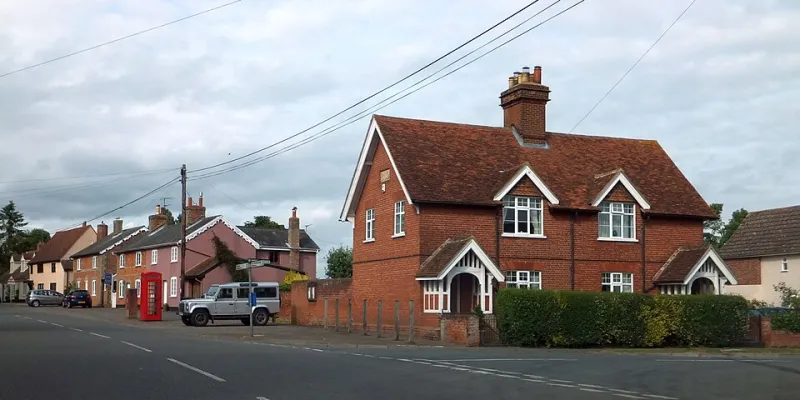
Photo: David Smith , CC BY-SA 2.0, via Wikimedia Commons
In a town like Ord or Auburn, you might miss it at first: a wooden box on a post, a retired newspaper cabinet, or a church-hall shelf pushed close to the sidewalk. There is no intake form taped to the door. No clipboard. No one asking for a pay stub or a proof of address. Just a handle, a hinge, and a simple premise that Nebraska neighbors have always understood better than most: sometimes help should be close enough to reach without a meeting.
Little Free Pantries have been part of the American landscape since 2016, when the first one went up in Arkansas. In Nebraska, they have settled into small towns in their own way—less as a movement with a logo and more as a practical answer to a practical question. What if the food bank is open Tuesdays from 9 to 11, but somebody needs a can of soup on a Sunday night?
A Box, a Post, and a Simple Premise
The typical Nebraska sidewalk pantry is not fancy. It is often built by a grandparent with spare lumber, painted by a 4-H club, or mounted by a church youth group looking for a project that does not require a permission slip. Some sit outside libraries. Some are in co-op parking lots. Some are attached to the side of a hardware store, which feels right in a state where a good hardware store already functions as a civic institution.
The premise is usually painted right on the door: take what you need, leave what you can. That is the whole policy. It is not a government program. It is not a food bank branch. It is a cupboard with a sidewalk address.
And that simplicity is the point. Formal aid does important work, but it comes with hours, eligibility rules, and sometimes a waiting room. A sidewalk pantry comes with a latch. For a neighbor who is stretched thin, that difference can matter more than outsiders realize.
Who Keeps the Door Swinging
Every pantry has a keeper, even if nobody uses that word. Often it is one person who notices the shelves are low and sends a text to a few friends. Sometimes it is a church group that rotates stock. Sometimes it is a retired teacher who checks expiration dates the way she once checked spelling words—thoroughly, and with a little sigh.
In small towns, stewardship tends to be informal but not accidental. Someone wipes the shelves. Someone hauls away a bag of spoiled bread. Someone posts a gentle note on Facebook: the pantry could use peanut butter and canned fruit. Someone else drops off a case of green beans because they got a good deal at the grocery store in Kearney.
The best stewards are not trying to run a charity. They are trying to keep a neighborly habit alive. They know that a pantry works only if it stays clean, stocked, and easy to use. They also know that too much fuss can ruin it. A sign that says take what you need is welcoming. A sign that asks a dozen questions is not.
The Etiquette Is the Infrastructure
What holds these pantries together is not shelving or shingles. It is etiquette. The unwritten rules are simple, though not always followed: close the door, check the dates, do not leave food that will spoil in July, and do not treat the cabinet like a dumpster for the back of the cupboard.
Most Nebraska pantries are clear about what they can handle. Canned goods, pasta, rice, cereal, peanut butter, and hygiene items are common. Fresh produce sometimes appears and disappears quickly. Frozen meat usually does not work unless someone has thought through coolers and timing. A pantry is not a refrigerator, and a July afternoon in Nebraska is not forgiving.
There is also a quieter etiquette around dignity. The pantry works because it does not ask questions. A neighbor can stop by after work, take a box of macaroni, and keep moving. No one is recording names. No one is checking a list. In a small town, that anonymity can be precious, even if everyone technically knows everyone else’s truck.
That is the balancing act. Nebraska towns are friendly, but friendly can feel like being watched. The sidewalk pantry offers a way to accept help without a conversation. It lets need be private, or at least quiet. And quiet need is still need.
The Tricky Questions: Need, Dignity, and the Neighbor Who Needs Help
The hardest part of a pantry is not keeping it stocked. It is talking about need without making people feel small. A formal aid program has eligibility rules. A sidewalk pantry has trust. That trust is a gift, but it is not a substitute for policy. A can of soup does not solve a broken budget, a lost job, or a rural grocery store that closed a decade ago. It is a stopgap, a supplement, a neighborly nudge.
Towns handle this differently. Some pantries are hosted by churches and framed as a blessing box. Some are deliberately secular and plain. Some include a small note that says you are welcome here. Others say nothing at all, which is its own kind of welcome.
The tricky part is when need becomes visible. In a small town, a pantry can reveal more than a spreadsheet ever could. It shows which weeks are tight. It shows when a school break leaves families scrambling. It shows that a neighbor who looks fine at the ball game might be doing the math on dinner. The pantry does not fix that. But it does make the town a little more honest about it.
When the Cabinet Gets Complicated
Sidewalk pantries are not trouble-free. Weather gets in. Pests get in. Vandalism happens, though less often than worry suggests. Spoiled food is a real problem, and so is the temptation to use the pantry as a place to drop off expired canned goods that no one wants. Local rules can vary, especially if a cabinet sits on public property or in a right-of-way. Neighbors usually solve these things the Nebraska way: with a conversation, a new sign, and someone willing to check the shelves more often.
The best pantries are the ones that stay humble. They do not try to be a grocery store. They do not try to replace the food bank. They work with what they have: a little space, a little trust, and a town small enough that someone notices when the door is hanging open.
What the Pantry Reveals
A sidewalk pantry is not a policy solution. It is a mirror. It shows whether a community is willing to leave room for quiet help. It shows whether neighbors trust each other enough to stock a shelf without a receipt. It shows that civic life in Nebraska is not only found in board meetings and ballot boxes. Sometimes it is found in a cabinet by the curb, with a can of soup inside and no one standing guard.
So if you pass one this year, take a look. Close the door if it is open. Leave a can if you can. Take one if you need it. No paperwork. No questions. That is the whole idea—and in a lot of Nebraska towns, that is still enough to keep the shelf from going empty.