The Clipboard at the Fence Line: Who Actually Sits on a Nebraska Weed Board
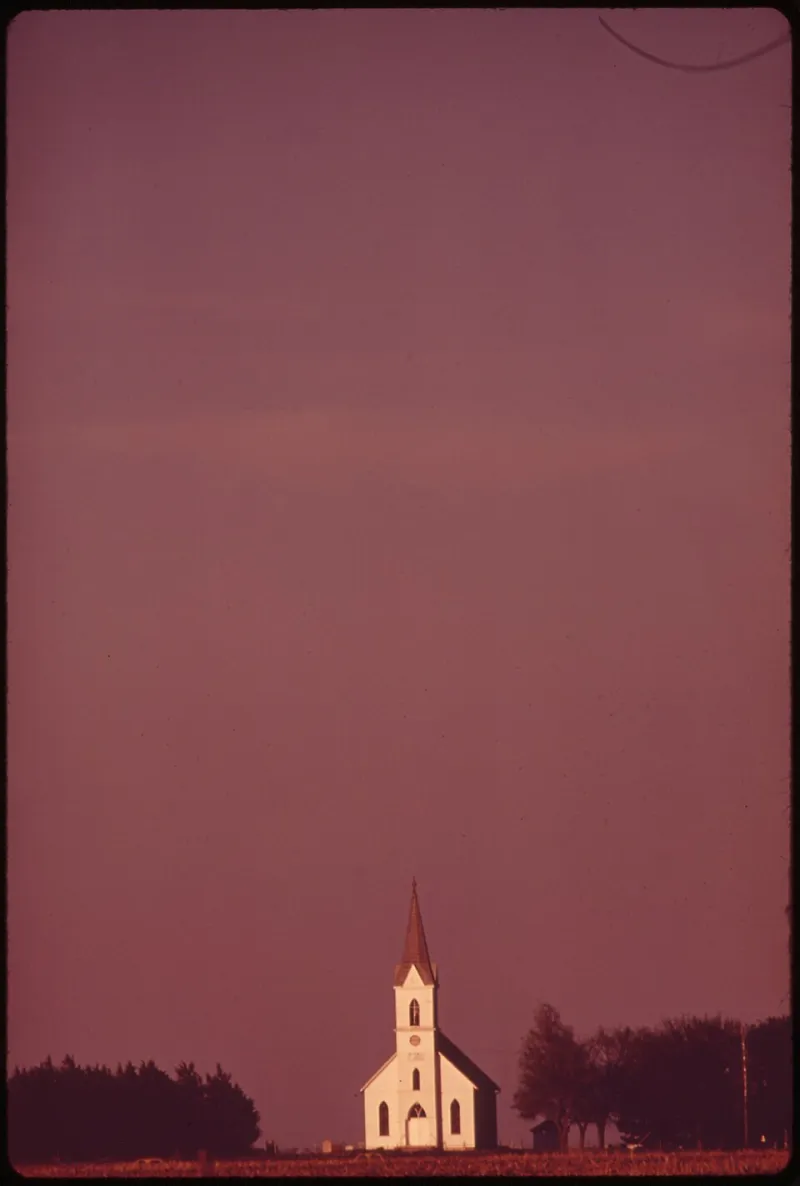
Photo: Charles O'Rear, Public domain, via Wikimedia Commons
Most Nebraskans can name their mayor, their sheriff, maybe a school board member or two. Ask about the county weed board, though, and you’ll often get a polite shrug. And yet that little-known body helps decide what grows along the road you drive, the ditch you mow, and the fence line where your place meets the neighbor’s.
In many counties, the weed board is one of the quietest pieces of local government on the books. It doesn’t cut ribbons. It doesn’t usually draw a crowd. But it does carry a clipboard, a state weed list, and a practical question: who is going to deal with that patch of Canada thistle before it sends seed over the fence?
A board you have probably driven past
Nebraska’s weed control work is organized county by county. In some places, the county board of commissioners or supervisors serves as the weed control authority. In others, a separate weed board — sometimes elected, sometimes appointed — helps guide the work. The county weed superintendent handles the day-to-day inspections, notices, and public education. The exact setup varies, which is part of why the office feels mysterious. Your county’s version may not look exactly like the one two counties over.
What stays consistent is the basic job: manage noxious weeds on county rights-of-way, respond to reports from landowners and residents, and encourage control on private land. The board may review budgets, set local priorities, approve cost-share programs, and hear the occasional disagreement. Meetings are public, even when the audience is three people and a coffee cup.
The complaint starts with a walk, not a gavel
Say a landowner calls the county office because a stand of musk thistle is creeping along a shared fence. The call may be formal. It may also be a neighbor stopping the superintendent at the elevator. Either way, the next step is usually a visit.
The weed superintendent walks the site, identifies the plant, and figures out whether it is on Nebraska’s noxious weed list. That matters. Not every tough weed is legally noxious, and not every messy ditch is a weed board matter. Noxious weeds are the ones the state and county have decided need coordinated attention because they spread aggressively and cause real economic or ecological harm. Bindweed, leafy spurge, Canada thistle, spotted knapweed, and saltcedar are familiar names on that roster.
If the plant qualifies, the landowner typically gets information and a notice. The first conversation is often about timing: mow before seed set, spray when the plant is vulnerable, or combine methods over a couple of seasons. The board’s role is not to show up with a citation and a smirk. It is to keep a shared landscape from becoming a seed source for everyone downstream.
The toolbox is more carrot than stick
It’s easy to imagine a weed board as the enforcement arm of county government. In practice, the work leans heavily on education, cost-share, and follow-up. Many counties offer help with herbicide, rental equipment, or seed-free hay and straw. The superintendent may hand out identification guides, speak at a fire hall meeting, or work with the local Natural Resources District and Extension office.
That neighborly approach is not softness. It is strategy. A landowner who understands why leafy spurge is a problem is more likely to keep after it than one who feels singled out. And in rural Nebraska, the person on the weed board may be the same person who helps you fix a flat on a gravel road. Persuasion travels farther than a formal notice.
That said, the board does have authority. If notices are ignored, a county can pursue remediation and, in some cases, assess costs. Most boards would rather not get there. The preferred outcome is a landowner who takes care of the patch, a neighbor who reports early, and a roadside that doesn’t become a seed bank.
Why the job is harder than it looks
Weed control is a moving target. Wind carries seed. Rain washes it down ditches. Absentee landowners may live hours away. A county may have a tight budget and a long list of roads. Board members have to balance weed science with real-world schedules, equipment shortages, and the simple fact that nobody controls the weather.
There is also the human side. Weed complaints can land in the middle of a family disagreement or a long-running fence-line debate. A good board member learns to listen first, inspect second, and avoid turning a thistle problem into a referendum on neighborliness. The goal is a healthier landscape, not a courtroom drama over a ditch.
How to show up without making it weird
If you want to know how your county handles noxious weeds, start with the county clerk or the weed superintendent’s office. Ask when the board meets and whether agendas are posted. Bring specifics: a photo, a road number, an address, and a description of the plant. “There’s a bunch of weeds by the bridge” is a start; “spotted knapweed on the north side of County Road 12, about a quarter mile west of the bridge” gets a faster response.
Ask about cost-share and identification help. Ask what the county does along roadsides and what landowners are expected to do on private ground. And if you’re the one receiving a notice, ask questions before the situation hardens. Most weed superintendents would rather talk early than argue late.
The quiet office with a long reach
The weed board is not glamorous civic life. It is clipboards, plant guides, sprayer schedules, and meetings that end before the coffee gets cold. But it is one of the ways Nebraska neighbors keep a shared landscape from splitting along the fence line. The next time you notice a patch of something suspicious in the ditch, remember: there’s a quiet elected or appointed board — and a superintendent with a truck — whose job is to help sort it out.
You just might have to look up the meeting time.